

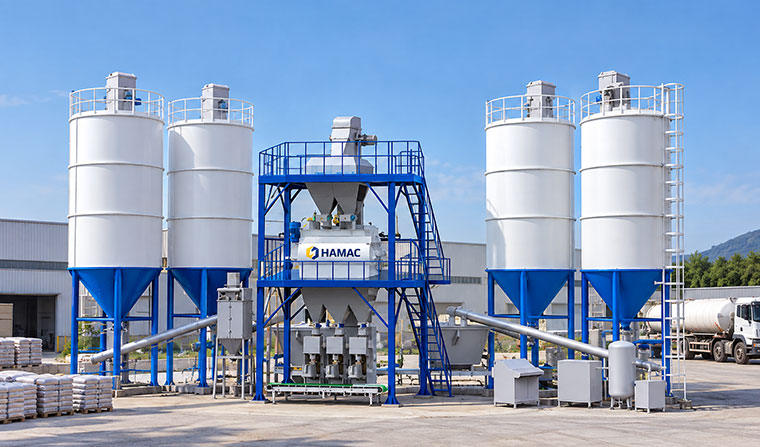


60–80 T/H Fully Automatic Dry Mortar Mixing Plant
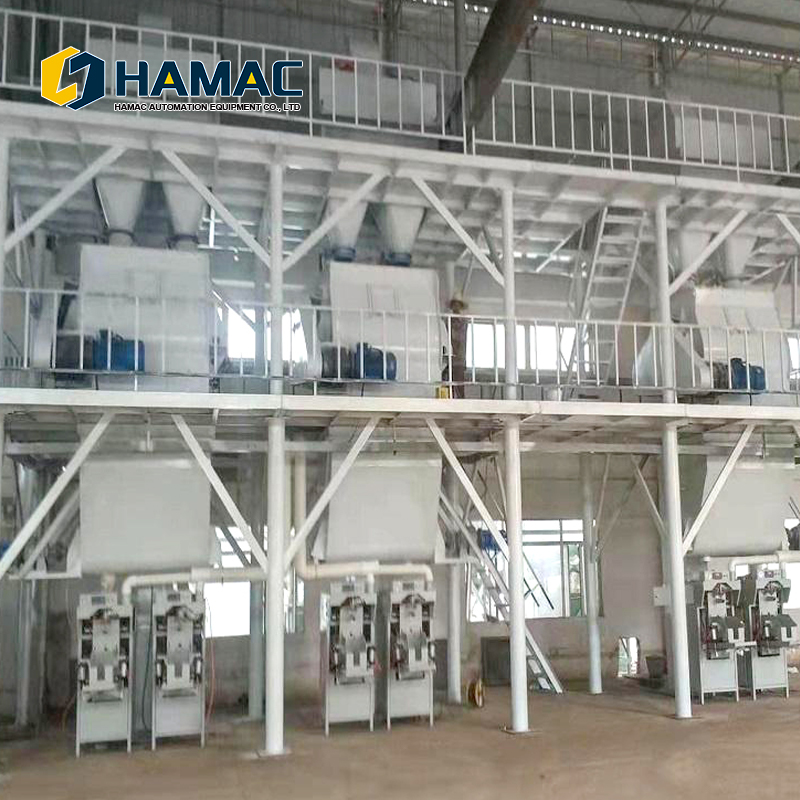
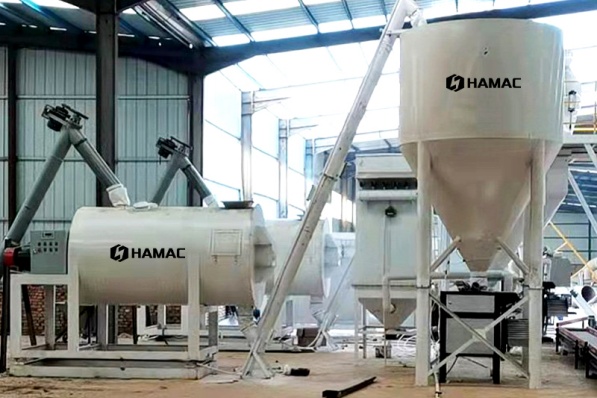
The HAMAC 60–80 T/H dry mortar mixing plant is a high-capacity, fully automatic solution for building material producers who require stable output, accurate batching and flexible finished-product delivery. Designed for large dry mix mortar projects, this plant can be configured for masonry mortar, plaster mortar, tile adhesive, wall putty, waterproof mortar and other dry mix building materials.
From raw material storage and dry sand handling to automatic weighing, high-efficiency mixing, finished-product storage, valve bag packing and bulk tanker loading, HAMAC provides a complete dry mix mortar production line tailored to your product formula, capacity target, factory layout, local raw materials and future expansion plan.
60–80 T/H Plant at a Glance
- Typical output: 60–80 tons per hour
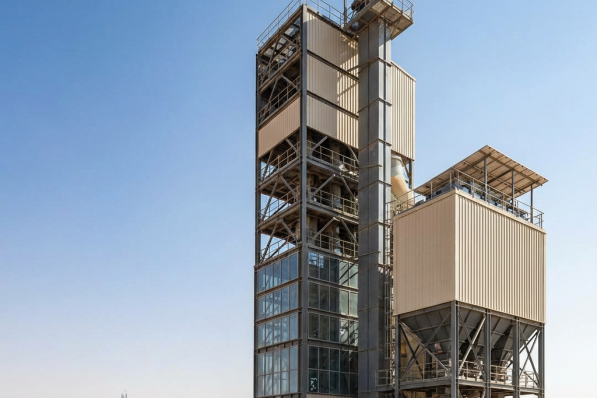
- Plant type: stepped, tower-type or customized layout
- Automation: PLC-based automatic batching and production control
- Mixing: twin-shaft paddle mixer or ploughshare mixer options
- Delivery: valve bag packing, bulk loading or both
- Applications: standard and specialty dry mix mortar
- Optional systems: sand drying, screening, palletizing and remote support
- Customization: based on raw materials, land area and product range
Core Features of the 60–80 T/H Dry Mortar Mixing Plant
This fully automatic dry mortar plant is designed to support stable, scalable and efficient dry mix mortar production. The final configuration is customized according to your raw materials, formulas, factory layout, packaging requirements and local operating conditions.
High-Capacity Production
The plant is designed for 60–80 T/H dry mortar output, making it suitable for regional building material suppliers, large construction-material factories and bulk mortar distribution projects.
Automatic Batching and Control
PLC-controlled batching systems can manage material weighing, conveying, mixing, discharge, alarm functions and production records for consistent operation and easier recipe management.
Flexible Dispatch Options
The system can combine a bulk dry mortar loading system with valve bag packing machines, allowing customers to supply bulk mortar, bagged mortar or both from one plant.
Expandable Plant Structure
Optional dry sand storage, additional finished-product silos, second packing lines, automatic palletizing and future product expansion can be planned during the initial design stage.
Dry Mix Mortar Production Process
A standard 60–80 T/H dry mortar production line follows a controlled material flow from raw material receiving to bulk loading or bagged dispatch. The exact process may vary depending on whether you use purchased dry sand or need a complete sand drying and screening system.
- Dry Sand Receiving and Storage: Qualified dry sand can be delivered directly to the plant and elevated by an NE-type bucket elevator to dry sand silos. If local sand has high moisture or unstable grading, an optional sand drying and screening system can be added.
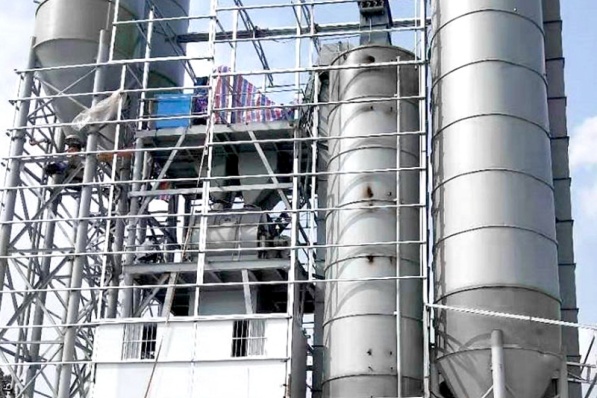
- Powder Material Storage: Cement, fly ash, lime, gypsum, calcium carbonate and other powder materials are stored in dedicated silos and conveyed by screw conveyors to the weighing system.
- Automatic Batching: Sand, cementitious materials, fillers and additives are weighed according to the selected formula through weighing hoppers, load cells, screw feeders and PLC-controlled discharge sequences.
- High-Efficiency Mixing: Measured materials enter the main mixer. Depending on the product, HAMAC can configure a twin-shaft paddle mixer, a gravity-free mixer or a ploughshare mixer to achieve uniform blending.
- Finished Product Buffering: Mixed mortar is discharged into a buffer hopper and transferred through screw conveyors and bucket elevators to finished-product silos.
- Bag Packing or Bulk Loading: Finished mortar can be packed into valve bags through automatic filling machines, or discharged through telescopic loading spouts into bulk mortar transport vehicles.
Main Equipment Configuration
The following is a typical equipment scope for a 60–80 T/H automatic dry mortar mixing plant. Final equipment selection is based on the number of products, required automation level, local material conditions, factory site and delivery method.
| System Section | Typical Equipment | Main Function |
|---|---|---|
| Raw Material Storage | Cement silos, filler silos, dry sand silos, additive hoppers | Stores major bulk materials for continuous production |
| Sand Handling | Bucket elevator, belt conveyor, sand hopper, optional dryer and screen | Transfers and prepares dry sand for mortar production |
| Conveying System | Screw conveyors, bucket elevators, distribution valves | Moves material between storage, weighing, mixing and dispatch sections |
| Automatic Batching | Weighing hoppers, load cells, screw feeders, additive dosing system | Controls formula dosing and material proportioning |
| Mixing System | Twin-shaft paddle mixer, gravity-free mixer or ploughshare mixer | Blends dry sand, cement, fillers and additives uniformly |
| Finished Product System | Buffer hopper, finished mortar silos, level sensors | Buffers and stores finished mortar before dispatch |
| Packing and Bulk Loading | Valve bag filling machine, bag conveyor, telescopic loading spout | Supports bagged mortar and bulk tanker delivery |
| Dust Collection | Pulse-jet dust collectors, dust pipes, silo filters | Collects dust at feeding, mixing, storage and packing points |
| Control System | PLC, HMI touch screen, electrical cabinet, production management software | Monitors operation, recipes, alarms and production records |
Typical Mixer and Capacity Guide
The table below is for preliminary equipment selection only. Actual output depends on mortar formulation, mixing time, sand grading, moisture condition, product change frequency, packing speed and final plant layout.
| Mixer Working Volume | Typical Output Range | Plant Configuration | Packing / Loading Options | Typical Operating Staff* |
|---|---|---|---|---|
| 3 m³ | 40–50 T/H | Automatic batching + finished product storage | Bulk loading or 1–2 bagging stations | Typically 3–5 people |
| 4 m³ | 50–65 T/H | Automatic plant with multiple silos | Bulk loading + optional bagging line | Typically 3–6 people |
| 6 m³ | 60–80 T/H | High-capacity automatic dry mortar plant | Bulk loading + 1–2 valve bag packing lines | Typically 4–7 people |
*Note: Staffing requirements vary based on automation level, bagging speed, palletizing method, raw material receiving method, production schedule and local labor practices.
Engineering Design Features
- Customized Silo Design: Material type, silo capacity, discharge cone angle and unloading height can be selected according to cement, dry sand, fillers and finished mortar requirements.
- NE-Type Bucket Elevator: Suitable for stable vertical lifting of dry sand and finished mortar in large-capacity projects.
- High-Efficiency Mixer: Twin-shaft paddle, gravity-free or ploughshare mixing technology can be selected according to mortar formula and capacity.
- Buffer Hopper System: Level sensors and anti-bridging devices help maintain stable material flow between mixing and storage stages.
- Wear-Resistant Conveying: Screw conveyors for dry sand can be designed with suitable wear-resistant materials based on sand abrasiveness.
- Point Dust Collection: Pulse-jet dust collectors can be placed at key dust-generation points, including silos, mixing, transfer and packing areas.
- Telescopic Bulk Loading Spout: Designed to support cleaner bulk tanker loading with dust control measures.
- Valve Bag Packing System: Packing machine options are selected according to bag type, target packaging speed and local market requirements.
- PLC Recipe Management: The electrical control system can store and manage recipes, production records, alarms and equipment interlocks.
- Future Expansion Planning: Additional silos, packing machines, finished-product storage and palletizing systems can be included in the initial layout plan.
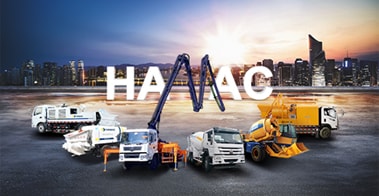
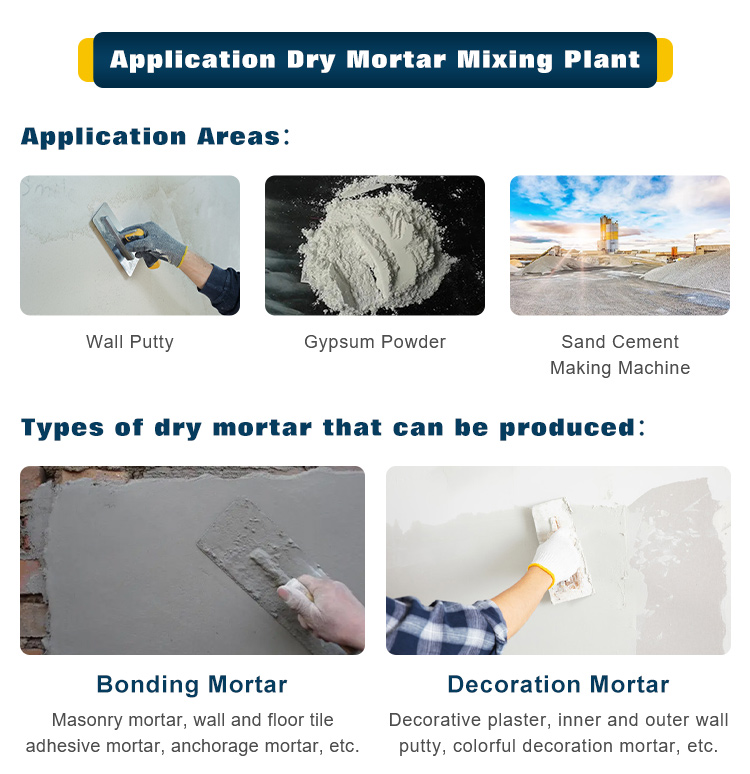
Applications of the 60–80 T/H Dry Mortar Production Line
The HAMAC 60–80 T/H dry mix mortar plant can be configured for different product ranges. The required storage, dosing, mixing and packing systems will vary depending on the formula.
- Masonry Mortar Production Line
- Plaster Mortar Production Line
- Tile Adhesive Production Line
- Wall Putty Production Line
- Waterproof Mortar Production Line
- Thermal Insulation Mortar Plant
- Gypsum Plaster Production Line
- Customized Specialty Dry Mix Mortar Plant
Why Choose HAMAC for a 60–80 T/H Dry Mortar Plant?
HAMAC provides more than individual dry mortar machines. We focus on complete project planning for high-capacity dry mortar factories, helping customers match equipment configuration with their production targets, local raw materials, delivery methods and market development plans.
- Project-Based Customization: Plant layout and configuration are designed around your actual site, product range and capacity target.
- Complete Equipment Scope: One source for silos, conveyors, batching, mixing, packing, bulk loading, dust collection and control systems.
- Flexible Product Strategy: Configuration options for ordinary mortar, plaster mortar, tile adhesive, wall putty and specialty products.
- Engineering Support: Process flow, layout planning, equipment manufacturing, installation guidance, commissioning and operator training.
- Long-Term Service: Spare parts support, maintenance guidance and technical consultation throughout the equipment lifecycle.
Get a Customized 60–80 T/H Dry Mortar Plant Proposal
Tell us your required mortar products, target output, sand condition, factory area, packing method and project location. HAMAC can prepare a preliminary dry mortar plant layout and equipment configuration for your project.
Request a Technical Proposal