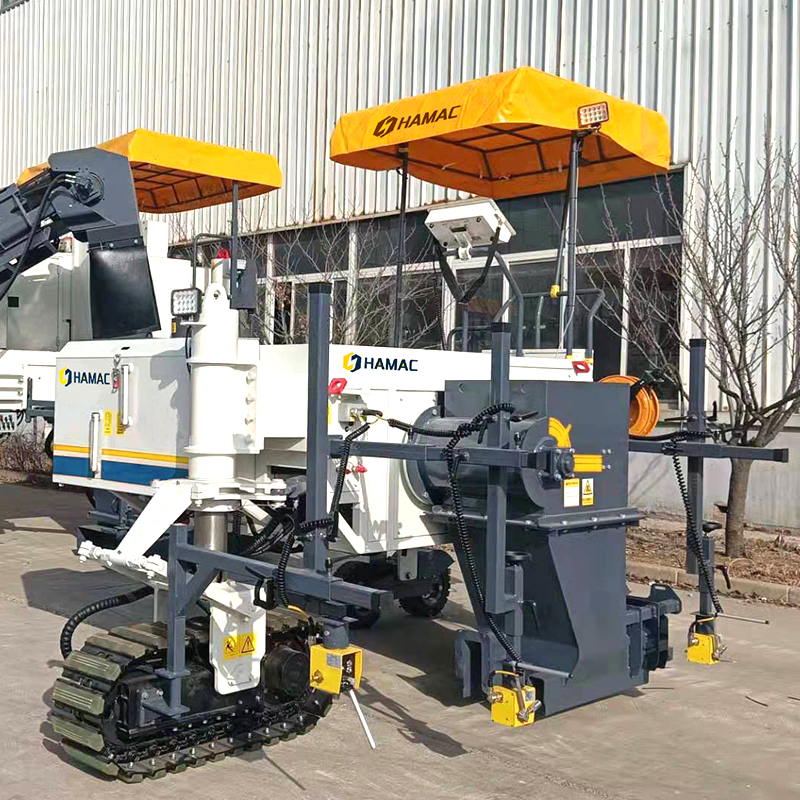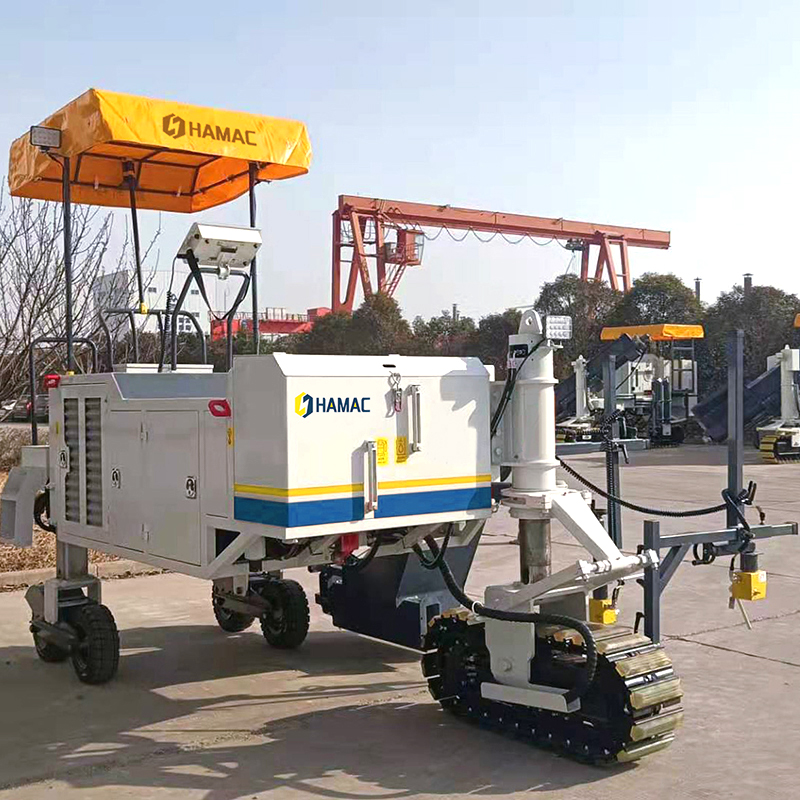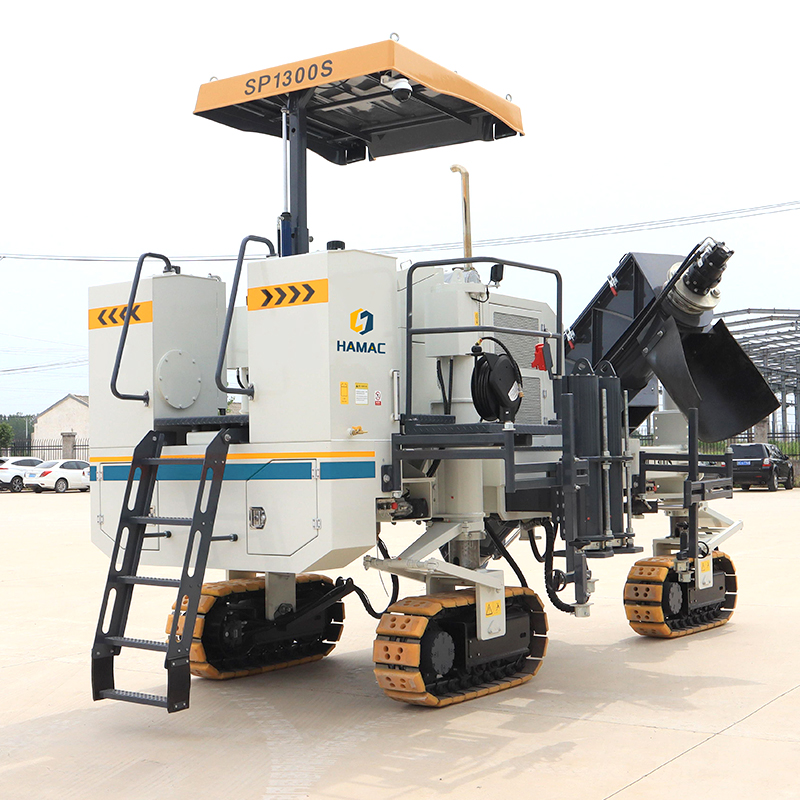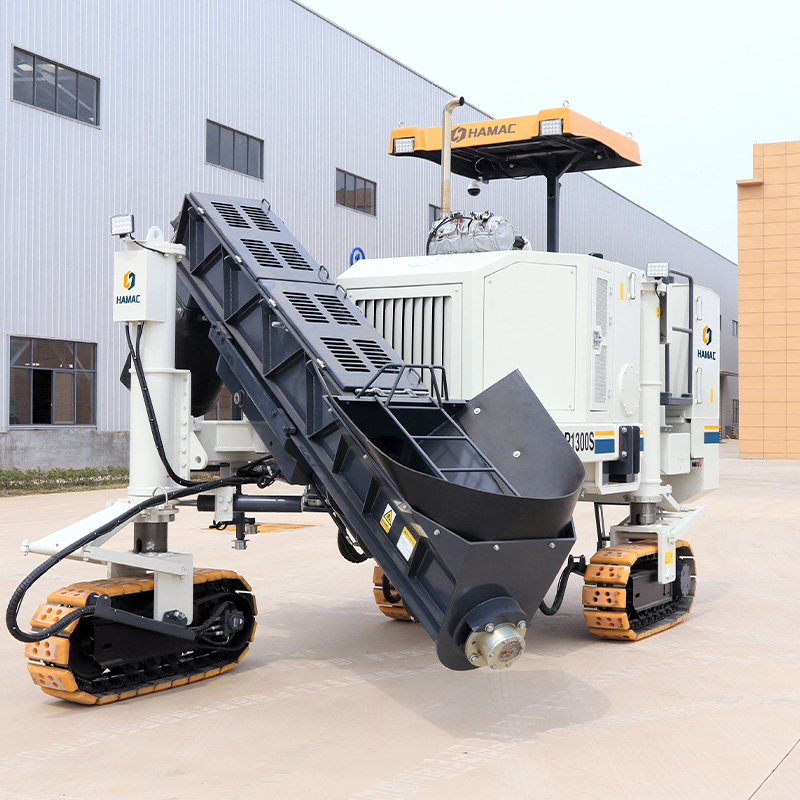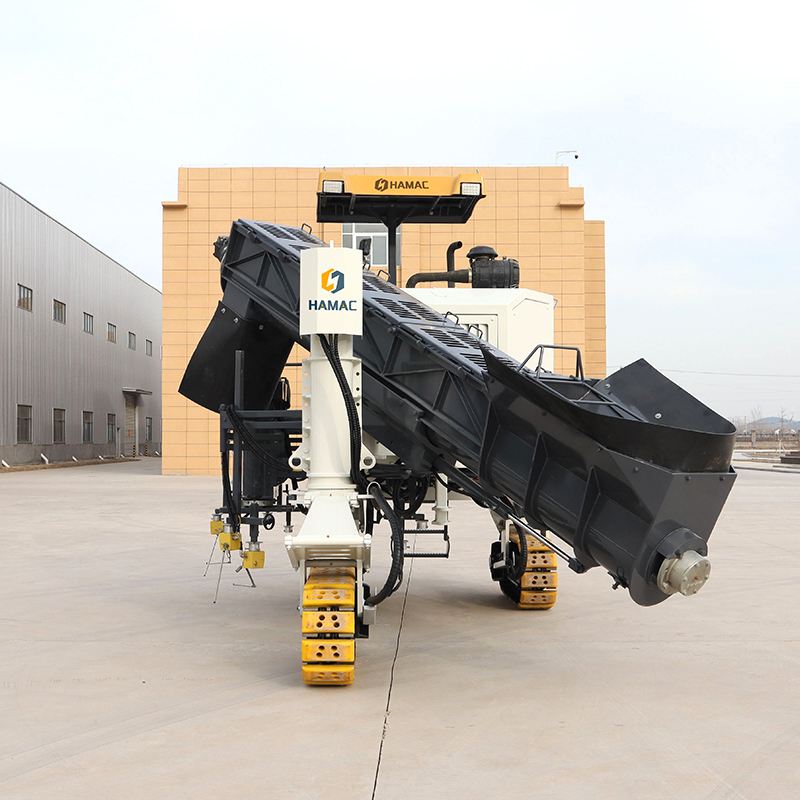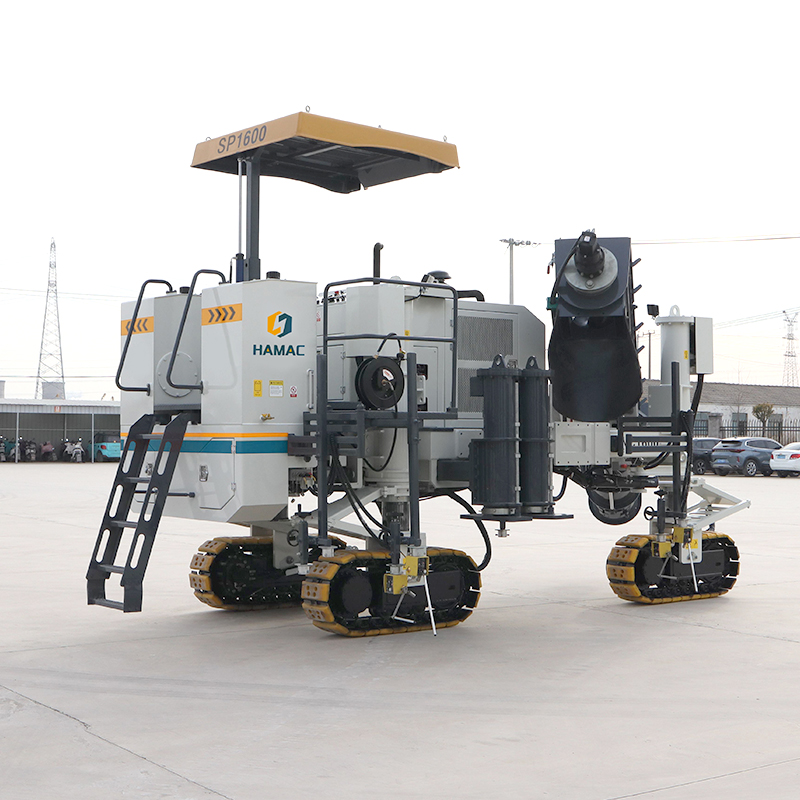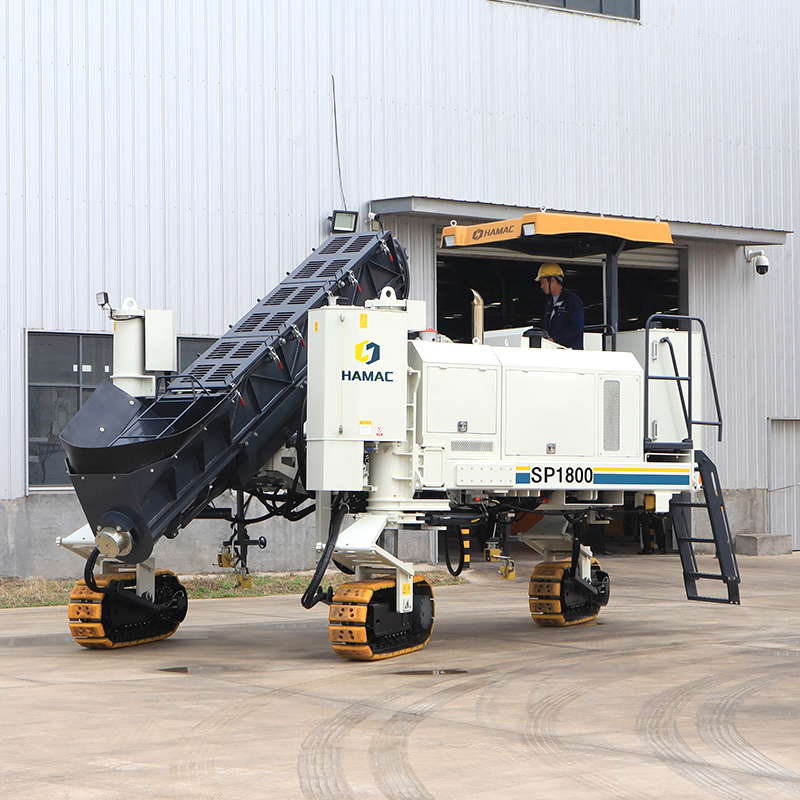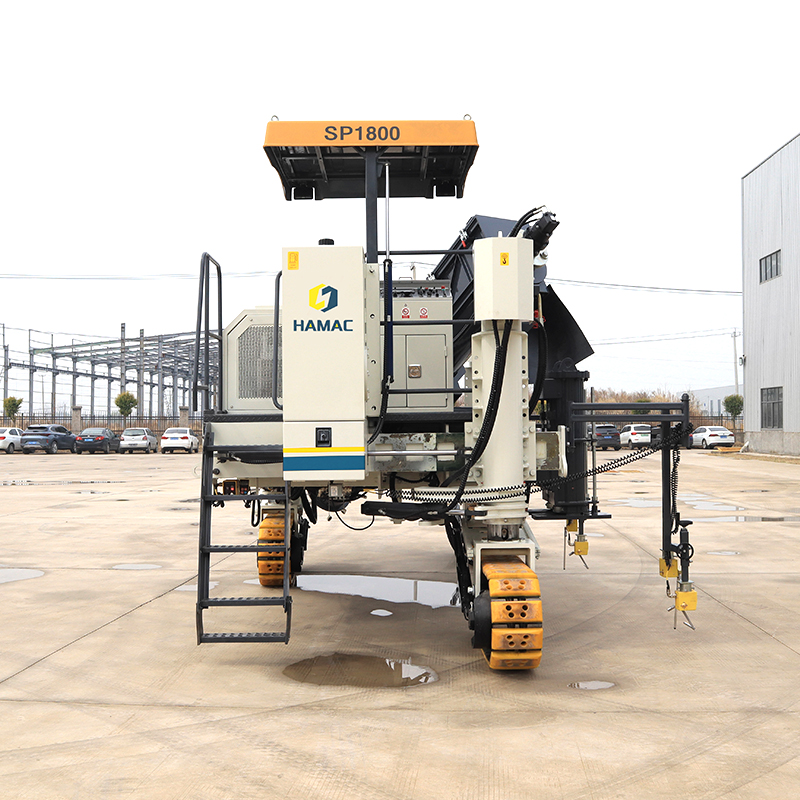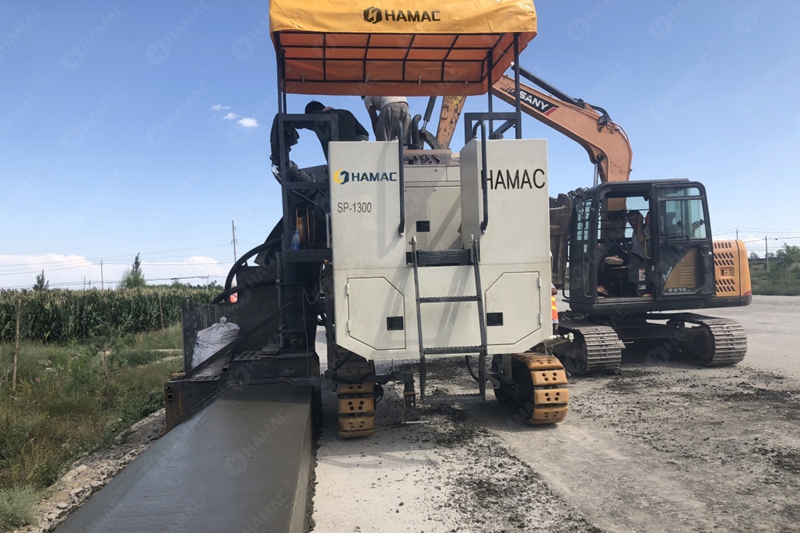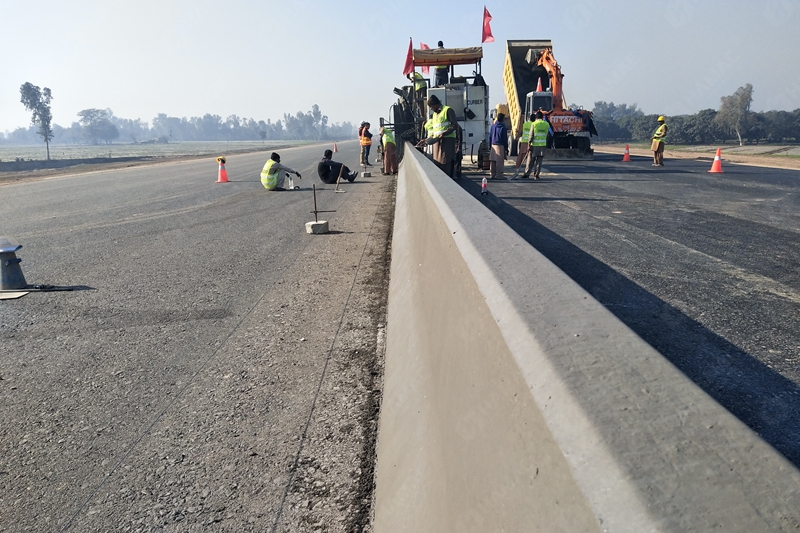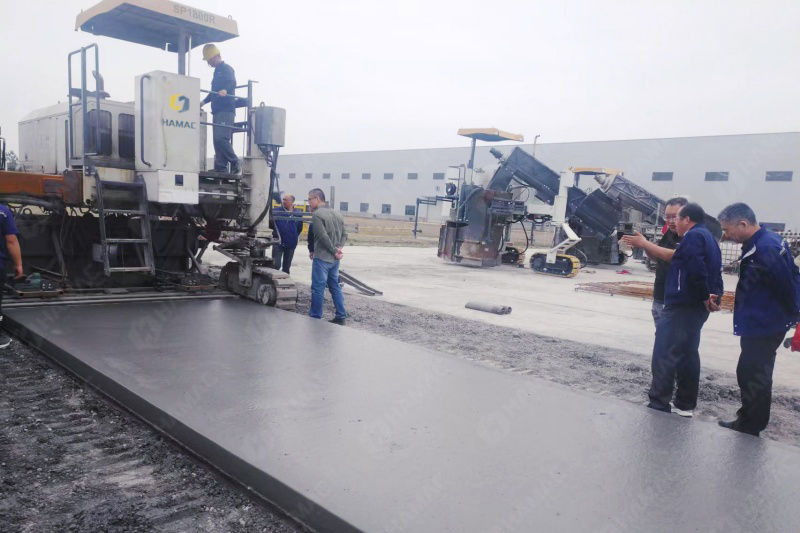


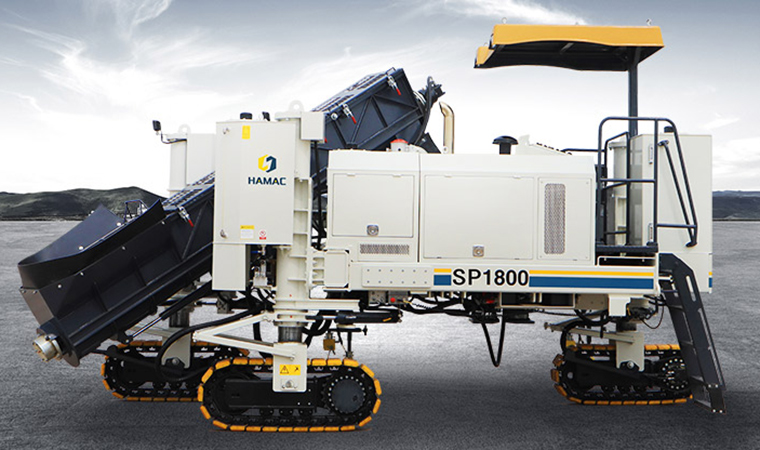


Offset Slipform Paver is a high-performance solution engineered for diverse concrete applications. Featuring a versatile offset design, this machine allows for the precise pouring of curbs, gutters, and safety barriers outside the track path. Equipped with an advanced hydraulic drive system and automated leveling sensors, it ensures superior concrete density and a flawless surface finish, significantly reducing manual labor and project timelines.
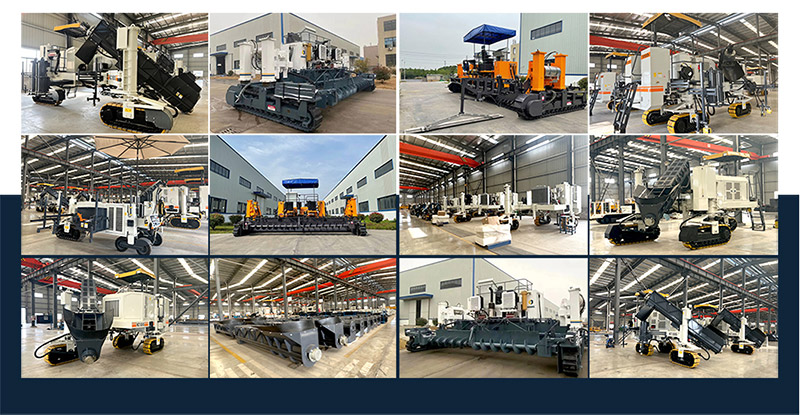
Video of slipform paving technique?
Offset Slipform Paver
What are the advantages of slip form pavers?
- Multifunctional Performance: One machine for curbs, gutters, and barriers.
- Precision Engineering: Automated leveling for superior accuracy.
- Rapid Setup: Quick-change mold system saves time and labor.
- Compact Design: Ideal for tight urban construction sites.
- Reliable Power: High-torque crawler drive for stable traction.
- Low Maintenance: Built with durable components for long-term use.
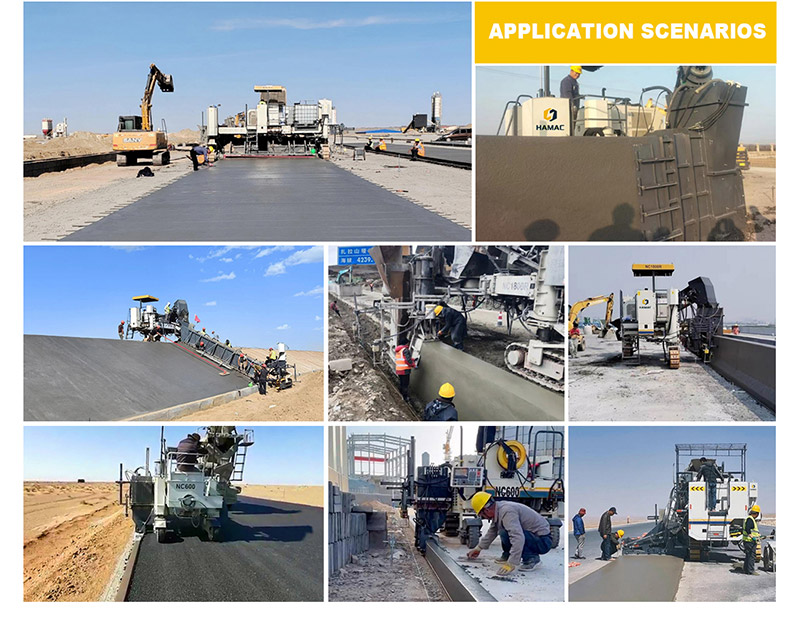
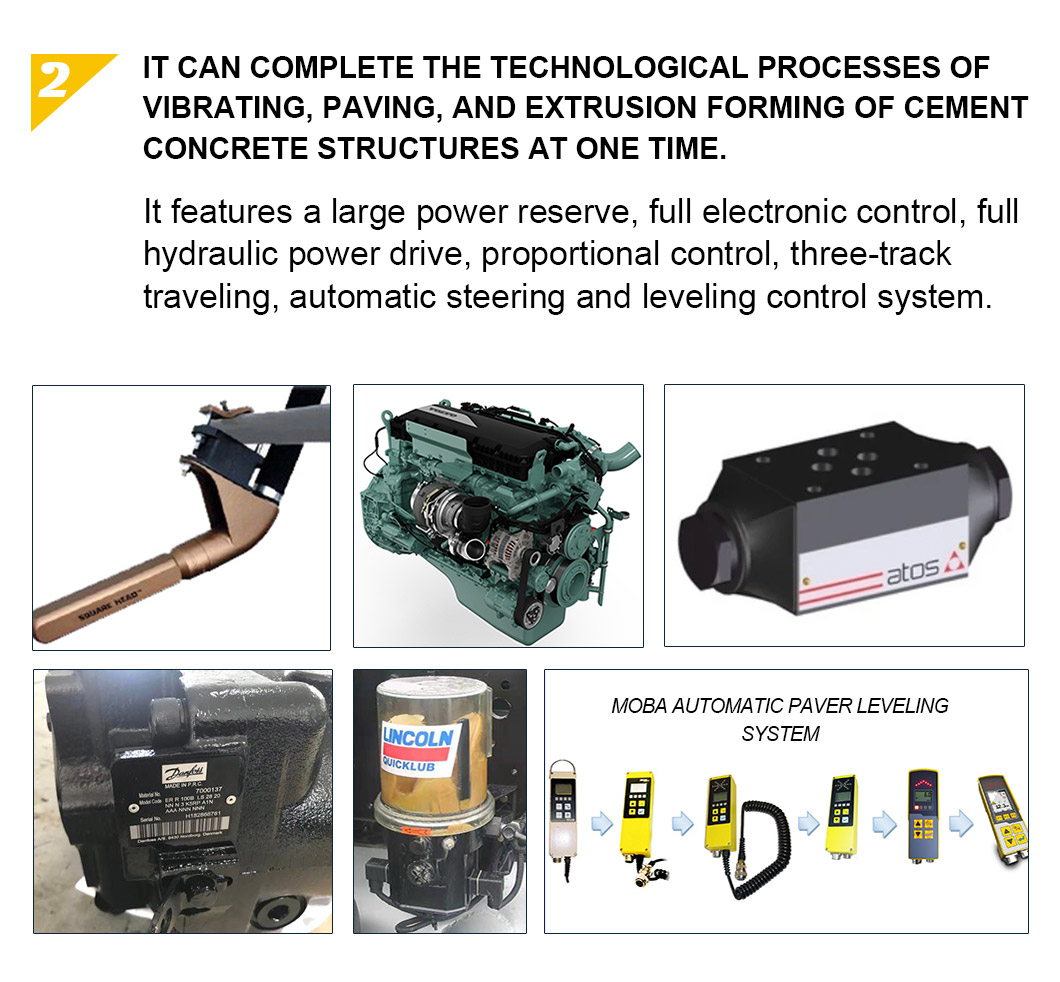
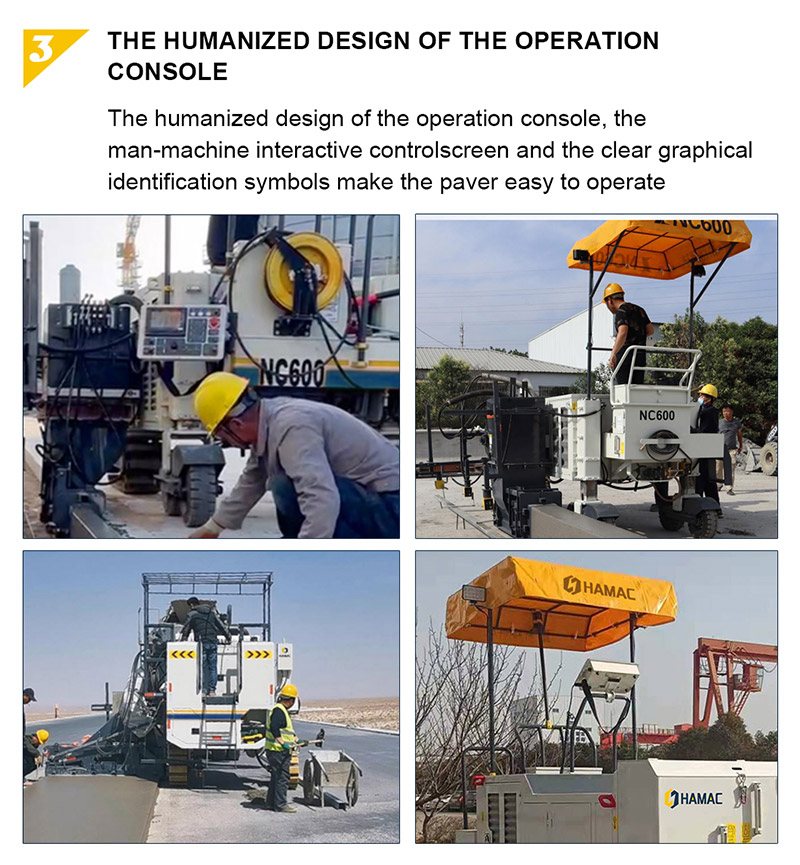
Primary Application Scenarios
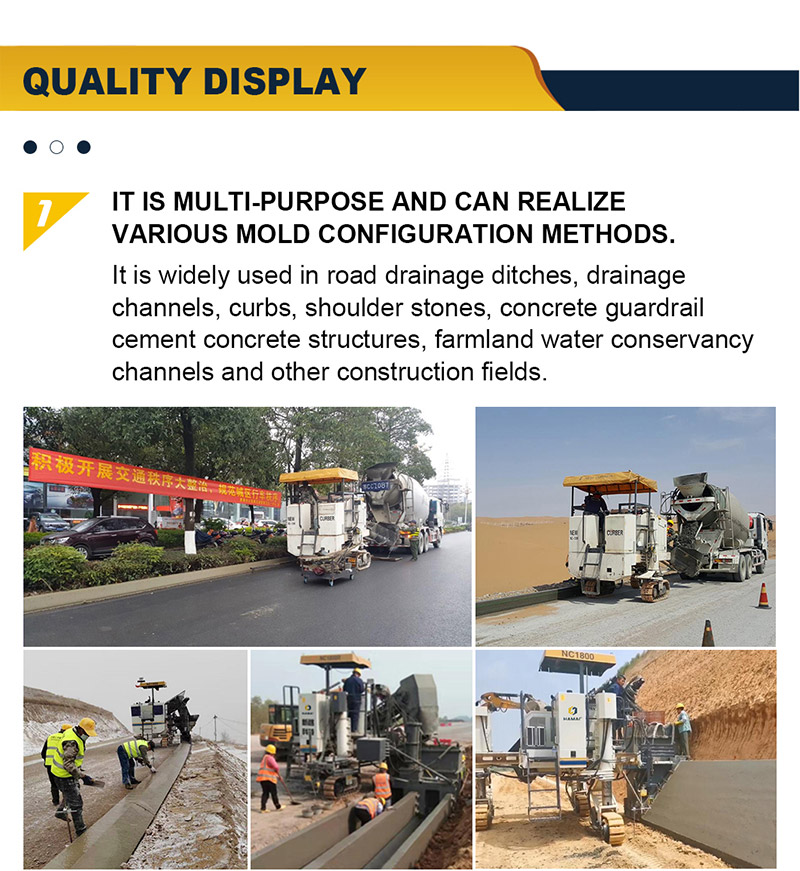
Urban Infrastructure
Perfect for high-speed production of concrete curbs and gutters in residential and city streets. The offset design allows for easy navigation around existing utilities and tight corners.
Highway Safety Projects
Designed for extruding continuous median barriers (Jersey barriers) and bridge parapets. Monolithic pouring ensures superior structural strength and a flawless finish compared to pre-cast methods.
Water Management
Efficiently paves V-shaped drainage ditches and irrigation canal linings. Automated sensors ensure precise grade control, which is essential for maintaining consistent water flow.
Public Paths & Walkways
Ideal for sidewalks and bicycle paths. The quick-change mold system allows contractors to switch between different profiles with minimal downtime, maximizing daily productivity.
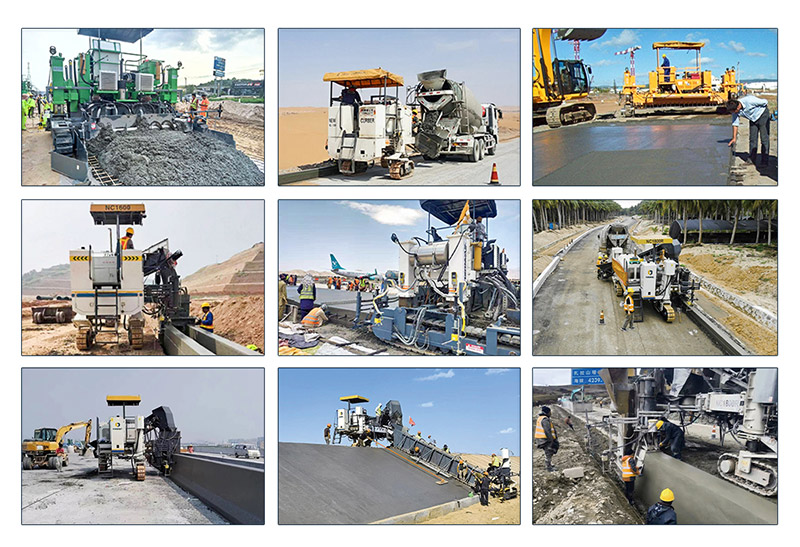
Frequently Asked Questions (FAQ)
Q1: What is the primary benefit of the "Offset" configuration? The offset design allows the mold to be positioned to the side of the machine's tracks. This enables you to pave structures like curbs and gutters without the machine needing to drive directly over the work area, making it perfect for tight urban spaces and paving alongside existing obstacles or uneven terrain.
Q2: How many types of concrete structures can one machine produce? These pavers are highly multifunctional. By utilizing our quick-change mold system, a single machine can be used to extrude standard curbs, integrated curb-and-gutters, highway median barriers (Jersey barriers), and V-shaped drainage ditches.
Q3: How does the machine maintain such high precision on uneven surfaces? Our pavers are equipped with automated leveling and steering sensors. These sensors follow a pre-set string line or integrated 3D/GPS guidance systems, automatically adjusting the hydraulic cylinders in real-time to maintain exact grade, slope, and alignment.
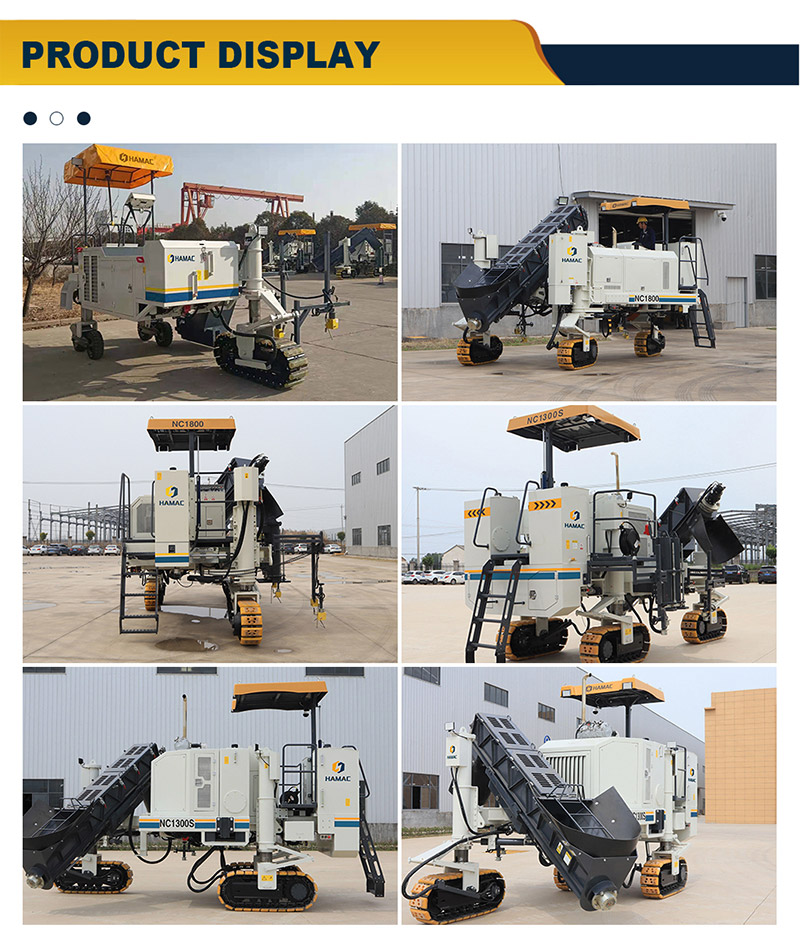
Q4: Which model should I choose for highway safety barrier projects? For large-scale highway barriers, we recommend the SP1800 or SP2100 models. These units feature high-torque Cummins engines and the structural stability required to handle the volume and weight of concrete needed for barriers up to 2.1 meters in height.
Q5: What is the average paving speed, and how does it impact project timelines? The machines offer a paving speed of 0–15 m/min. Because the slipform process eliminates the need for manual formwork and labor-intensive finishing, it can complete in one day what would typically take a manual crew several days, significantly reducing overall project timelines and labor costs.