


Self-Loading Concrete Mixer for Sale: Buyer’s Guide
A self-loading concrete mixer for sale can be one of the most practical investments for contractors who need to produce concrete directly at the jobsite. Unlike a conventional transit mixer, this machine can load aggregate, measure materials, mix concrete, transport it around the site, and discharge it where needed. It is especially useful for rural housing, small commercial buildings, road maintenance, drainage works, bridge projects, and remote construction sites where ready-mix concrete supply is limited or expensive.
However, not every self-loading mixer truck is suitable for every job. Buyers should compare drum capacity, daily concrete output, 4×4 driving capability, hydraulic system, weighing accuracy, engine power, service support, and local operating conditions before making a decision. This buyer’s guide explains how to choose a suitable self-loading concrete mixer for your business or construction project, whether you need a compact 1.2 m³ model or a larger 3.5 m³ or 4.0 m³ self-loading mixer.
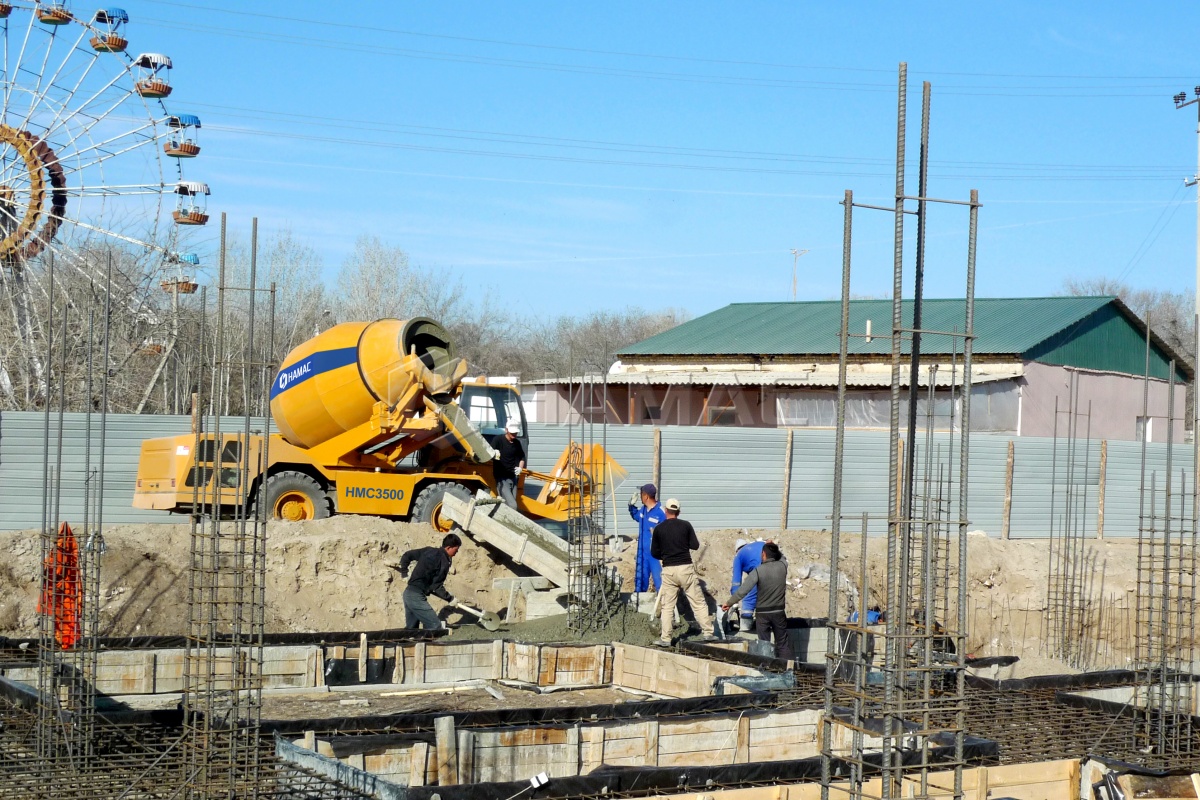
How to Choose the Right Self-Loading Concrete Mixer Capacity
The first question is how much concrete you need to produce in one batch and during one working day. Self-loading mixer capacity is commonly expressed by the drum’s concrete output per batch, such as 1.2 m³, 2.0 m³, 3.5 m³, or 4.0 m³. A larger drum can carry more concrete per cycle, but it also requires a higher initial investment, more space to operate, and more attention to road access, fuel use, and maintenance. The best model is the one that keeps pace with your construction schedule without becoming underused after the project is completed.
For small house-building projects, farm buildings, drainage channels, and local repair works, a compact 1.2 m³ or 2.0 m³ self-loading concrete mixer may provide enough output and excellent maneuverability. For contractors handling repeated pours, low-rise commercial buildings, rural road construction, or multiple small sites, a 3.5 m³ self-loading mixer usually offers a stronger balance between output and mobility. A 4.0 m³ self-loading concrete mixer is better suited to customers with higher daily volume requirements, a stable material supply, and sufficient access roads.
| Drum Capacity | Typical Application | Key Advantage | Buyer Consideration |
|---|---|---|---|
| 1.2–1.8 m³ | Small housing, repair jobs, narrow sites, farm construction | Compact size and flexible movement | Best for lower concrete demand and limited jobsite access |
| 2.0–2.6 m³ | Residential construction, small roads, drainage and municipal works | Balanced output for everyday contractor use | Confirm loading bucket size and daily cycle requirement |
| 3.5 m³ | Rural roads, bridges, commercial buildings, concrete supply projects | High productivity with good site mobility | Check road width, gradeability, turning space, and operator experience |
| 4.0 m³ and above | Higher-volume construction, repeated pours, larger local concrete production | More concrete per batch and fewer cycles | Requires reliable aggregate supply, stronger site logistics, and suitable access roads |
Buyer tip
Do not select capacity only from the largest concrete volume you may need once or twice. Calculate the average daily requirement, peak-day demand, batch cycle time, and number of working hours. A correctly sized self-loading mixer can lower fuel waste, reduce waiting time, and improve return on investment.
To estimate daily output, consider how many batches the machine can realistically complete during a shift. Travel distance between aggregate stockpiles and the pouring point, loading conditions, operator skill, concrete mix design, and site traffic all affect actual cycle time. A contractor working inside a compact housing site may achieve a different daily output from the same machine used on a long rural road project where material and pouring locations are farther apart.
Important Features to Compare Before Buying
When comparing a self-loading concrete mixer price, always check the full machine specification rather than comparing only the drum capacity. Two machines with a similar mixing volume may have different engines, axle configurations, hydraulic components, weighing systems, cab designs, tires, water tanks, and after-sales support. These details influence productivity, operating comfort, fuel consumption, and long-term maintenance cost.
4×4 drive and rough-terrain performance
A 4×4 self-loading concrete mixer is valuable for uneven ground, muddy roads, quarry access routes, slopes, and rural construction sites. Confirm the machine’s driving configuration, tire type, ground clearance, gradeability, and turning radius if your projects are outside urban areas.
Hydraulic system and drum rotation
The hydraulic system controls the loading bucket, drum rotation, steering, discharge, and other working functions. A reliable system supports smoother operation and helps reduce unexpected downtime. Ask about hydraulic component brands, filtration, cooling, and routine maintenance requirements.
Automatic weighing system
Accurate material weighing improves concrete consistency and helps reduce unnecessary cement consumption. If your project requires controlled concrete strength or repeated mix designs, confirm whether the self-loading mixer includes an electronic weighing system, display, printer, or data-recording function.
Reversible cab and operator visibility
A reversible cab helps the operator drive and work safely in both directions, especially on narrow job sites. Check windshield visibility, camera options, lighting, air conditioning, seat comfort, and control layout if the machine will work for long shifts.
Loading bucket and water system
Bucket capacity affects aggregate loading efficiency, while the water tank and water metering system influence concrete mix accuracy. Confirm whether the equipment matches the aggregate size, moisture condition, and mix ratio used on your jobsite.
Engine power, fuel consumption, and service access
Choose an engine and powertrain that can handle local terrain and loading conditions. Also consider the availability of filters, hydraulic hoses, wear parts, and technical support in your destination market before buying a self-loading mixer truck from China.
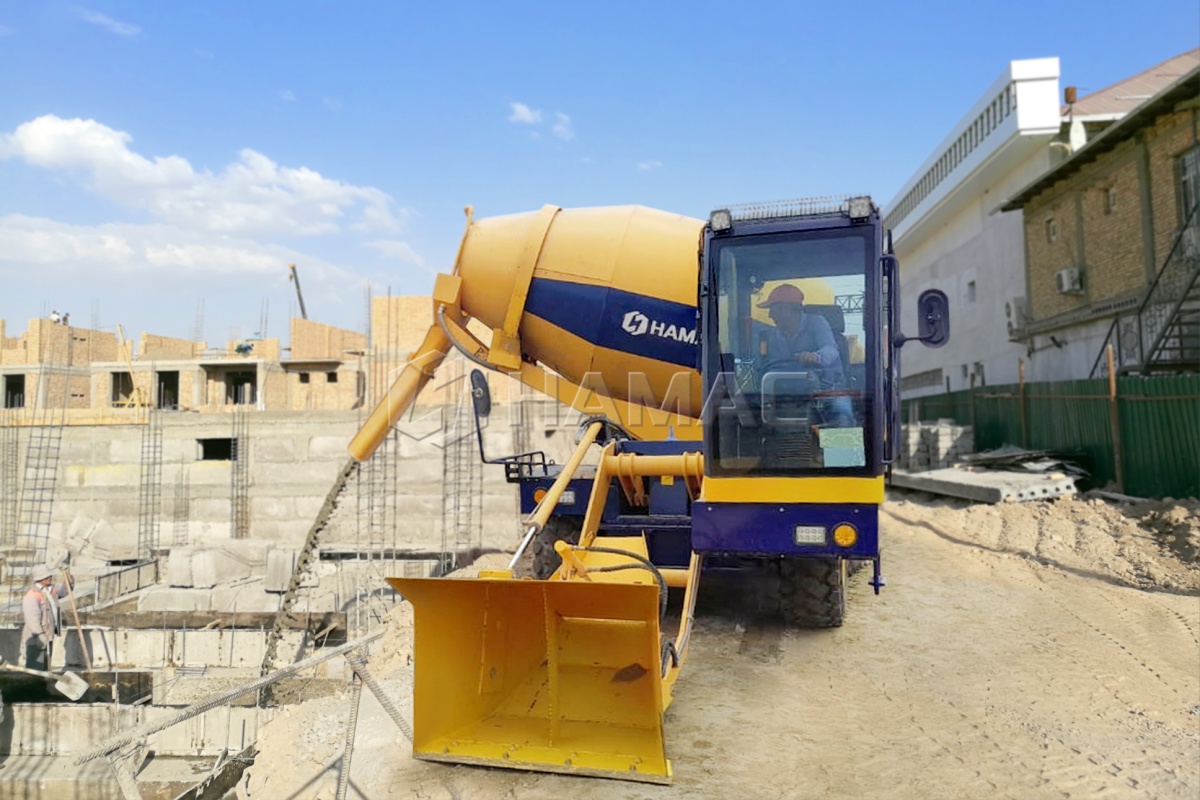
For projects with difficult ground conditions, mobility can be as important as drum capacity. A smaller machine that can move safely through narrow roads and work reliably on uneven terrain may provide more value than a larger model that cannot reach the pouring area efficiently. If concrete must be delivered to a distant point or an elevated structure, consider combining your self-loading mixer with a trailer concrete pump or a concrete mixer pump for a complete on-site mixing and pumping solution.
Is a Self-Loading Concrete Mixer the Right Investment for Your Project?
A self-loading concrete mixer is most suitable when you need flexible on-site concrete production and want to reduce dependence on external ready-mix suppliers. It can be an excellent choice for contractors who work in remote areas, handle small to medium concrete pours, operate on multiple jobsites, or need to control concrete quality directly at the site. It is also useful for equipment rental businesses and local concrete suppliers serving areas where a full concrete batching plant would be too large or too expensive to install.
Before placing an order, prepare a clear list of requirements: daily concrete volume, desired drum capacity, concrete grades, aggregate size, terrain condition, road access, available fuel, destination country, and expected project duration. This information helps the supplier recommend the right configuration, including 4×4 drive, cab type, weighing system, water tank, tires, and optional equipment. It also makes it easier to compare the total cost of ownership rather than focusing only on the initial self-loading concrete mixer price.
Need help selecting a model?
Share your project type, required concrete output, road and terrain conditions, and destination country with HAMAC. A suitable self-loading concrete mixer configuration can then be recommended for your application, from compact residential work to demanding rural infrastructure projects.
There is no lowest price, only lower price. You get what you pay for. We hope you are looking for the perfect working performance of the equipment, not the low-priced inferior goods. HAMAC only provide our clients with high quality machines. Wish a cooperation with you in the future.