


Dry type batching plant vs wet type batching plant: how to choose the right one?
Source: Hamac Machinery
When clients ask whether they should choose a dry type batching plant or a wet type batching plant, they are really asking where the concrete should be mixed and how strictly they need to control the quality. In a dry mix concrete plant (dry type batching plant, transit mix plant), the plant only weighs and loads materials into the truck mixer, and the concrete is mixed inside the truck drum. In a wet mix concrete plant (wet type batching plant, central mix plant), all ingredients are mixed in a central mixer at the plant before being discharged into the truck as ready-mix concrete.
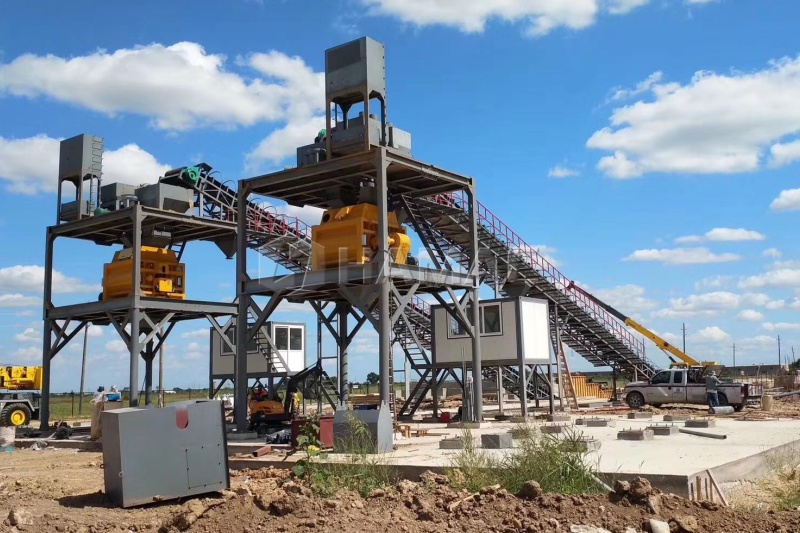
Wet mix concrete batching plant with central mixer
Mixing method and concrete quality consistency
The most fundamental difference between a dry type batching plant and a wet type batching plant is the location of mixing. In a dry mix plant, aggregates, cement, water and admixtures are weighed at the plant and discharged directly into the truck mixer, where the drum rotates during transport to mix the concrete. Because mixing is completed on the road, the final workability and strength depend on truck mixing time, drum speed, road conditions and driver habits, so the strength variation is usually a little higher and quality control relies more on good operating procedures.
In a wet mix plant or central mix concrete plant, all ingredients are mixed in a twin-shaft or planetary mixer at the plant. The concrete leaving the plant is already fully mixed ready-mix concrete, with more uniform slump, air content and strength compared with truck-mixed concrete under the same mix design. For high-spec concrete, pumping-grade mixes and continuous large pours, a wet type batching plant offers higher quality consistency and better control of concrete properties.
Plant structure, investment cost and mobility
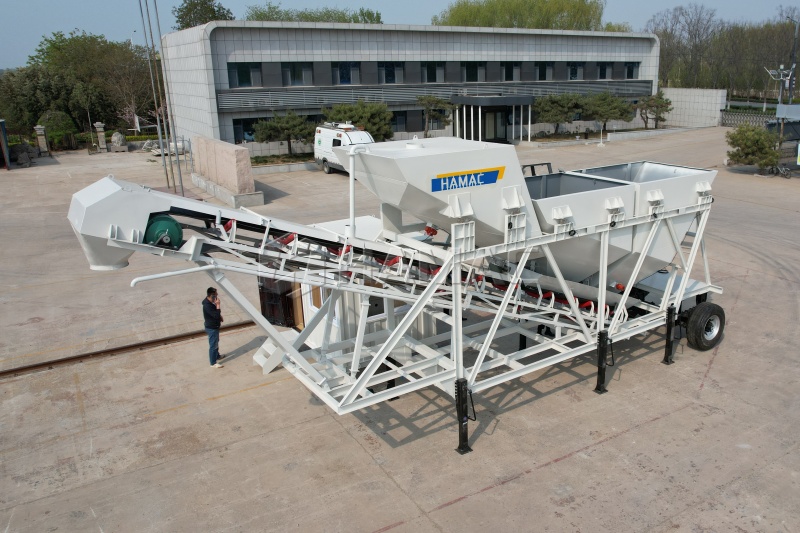
A dry type batching plant has a simpler structure because it does not include a central mixer. It usually consists of an aggregate batching machine, cement and powder weighing system, water and admixture dosing, belt conveyor and control system, so the total installed power is lower and the steel structure is more compact. As a result, the initial investment and maintenance cost of a dry batch concrete plant are generally lower than a wet mix plant of the same nominal capacity, and the modular design makes it easy to transport and install on temporary job sites.
A wet type batching plant needs a central mixer (twin-shaft or planetary), stronger foundations and higher installed power, so the upfront investment is higher. However, when running at or near full capacity, a wet mix batching plant can achieve higher effective output and lower cost per cubic meter because mixing is faster and more controlled. For ready-mix concrete companies and large infrastructure projects, a wet type concrete batching plant can be a more efficient long-term solution despite the higher purchase price.
Suitable project applications and delivery distance
Dry type batching plants are well suited for small and medium projects, remote locations and jobs where the construction sites are far from any stationary plant. Typical applications include county and rural roads, general industrial and residential buildings, small precast yards and long-distance highway sections where concrete must travel a long way from the plant. In these cases, a dry batch concrete plant combined with transit mixers allows the concrete to be mixed on the way or near the jobsite, reducing the risk of initial setting in the drum for long hauls.
Wet type batching plants are more suitable for high-volume, high-spec projects within a shorter delivery radius, such as urban ready-mix concrete supply, highway interchanges, large bridges, high-rise buildings and water infrastructure. For these projects, the plant is usually located within about 20–30 km of the jobs, and admixtures are used to control setting time and slump retention. A central mix concrete plant can provide continuous supply and stable quality for demanding applications like pumping, slip-form paving and mass concrete pours.
Advantages and limitations of dry type vs wet type
The main advantages of a dry type batching plant are lower initial investment, simpler structure, lower maintenance cost and easier relocation between projects. It is an economical solution for contractors who need a flexible concrete plant for different sites and who mainly produce normal strength concrete (for example C25–C35) for conventional structures. However, because the concrete is mixed in the truck, a dry mix plant relies on good coordination of truck mixing and clear quality procedures to avoid excessive variability in slump and strength.
The main advantages of a wet type batching plant are better control of concrete quality, higher mixing efficiency and the ability to produce high-spec mixes for pumping and special applications. When running at high utilization, a central mix plant can deliver a lower cost per cubic meter thanks to faster cycles and reduced rejected loads. Its limitations are higher capital cost, higher power demand and less mobility compared with a dry batch plant, so it is best suited for fixed locations or long-term projects.
How to choose between dry type and wet type?
To choose between a dry type batching plant and a wet type batching plant, you should consider several key factors: daily concrete volume, delivery distance, required concrete performance, project duration and budget. If your projects are mainly small to medium size, scattered, located in remote areas and mostly use standard concrete grades, and you prefer a lower investment with high mobility, a dry mix concrete plant (transit mix plant) is often a good choice. It is especially attractive for contractors working on remote highways, county roads and general building works.
If your business focuses on large volumes, strict quality control, pumping-grade concrete and continuous pours for highways, bridges and commercial buildings within a limited delivery radius, a wet mix concrete plant (central mix batching plant) is usually more suitable. In many cases, a combination of one wet type batching plant for main production and one dry type batching plant for remote or satellite projects can give the best balance between quality, efficiency and flexibility.
There is no lowest price, only lower price. You get what you pay for. We hope you are looking for the perfect working performance of the equipment, not the low-priced inferior goods. HAMAC only provide our clients with high quality machines. Wish a cooperation with you in the future.
Tags :
dry type batching plant vs wet type batching plantdry mix concrete plant vs wet mix concrete planttransit mix plant vs central mix planthow to choose dry or wet concrete batching plantdry batch concrete plant for remote projects
Spider Concrete Placing Boomjaw crusher คือconcrete production equipmentKenyawheel excavators
concrete batching plant projectDiesel Driven Concrete Pumpconcrete pumpSICOMA Planetary Concrete Mixerplanetary / countercurrent concrete mixer
Next :Sorry,This is the last Page!